
Tools to Support Your Journey
Between Sessions
RESOURCES
These resources are offered as supplementary tools, not substitutes for professional therapy. Healing happens in relationships, with self, with others, and with the world.
A Quick Note

These resources are offered
as supplementary tools, not substitutes for professional therapy. Healing happens in relationships, with self, with others, and with the world. If you're ready to begin that journey, we invite you to connect with us.
-Elephant Eye Therapy Team
Understanding EMDR
Official Sources, Research, and Clinical Foundations
EMDR International Association
The official EMDR professional body. Explains how EMDR works, what to expect, and how to find trained therapists worldwide.
Visit emdria.org →
EMDRIA
EMDR Institute — What Is EMDR?
The founder's institute. Includes research background, history of the method, and frequently asked questions about EMDR treatment.
Visit emdr.com →
Francine Shapiro, PhD
National Center for PTSD
Open-source, evidence-based information on trauma, PTSD, EMDR, and self-care strategies. Accessible and clearly written.
Visit ptsd.va.gov →
U.S. Department of Veterans Affairs
Recommended Reading
Books curated by our clinical team to complement your healing journey
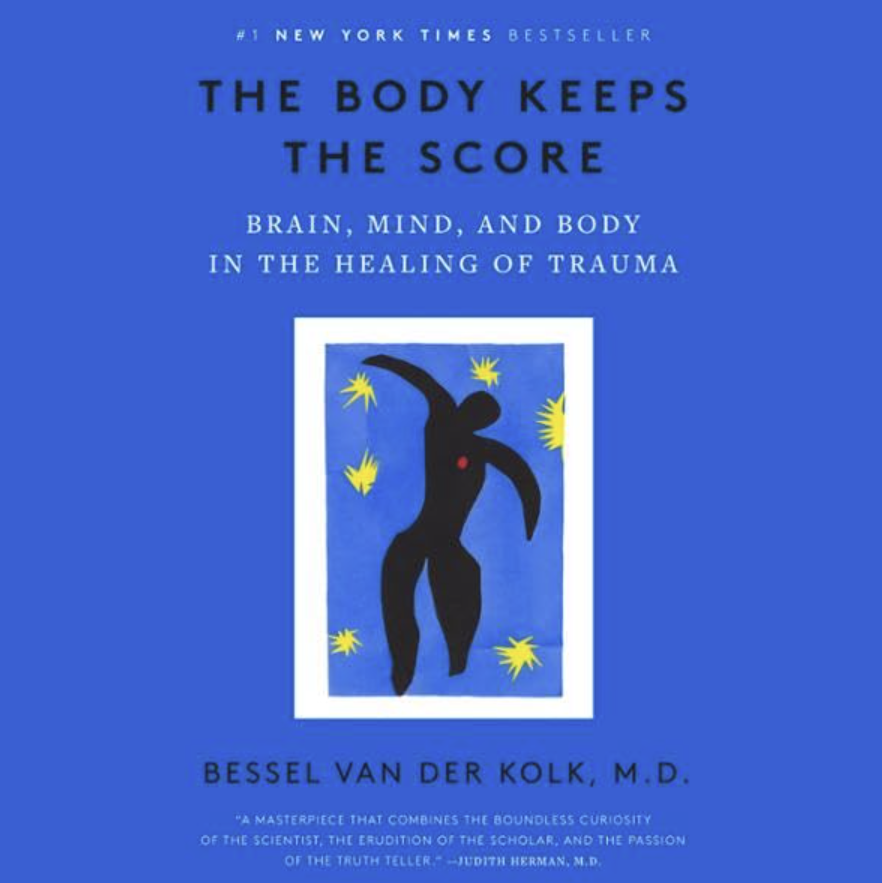
A landmark exploration of how trauma reshapes the body, brain, and mind, and the range of approaches that can help. Essential reading for anyone navigating trauma.
by Bessel van der Kolk, MD
The Body Keeps the Score
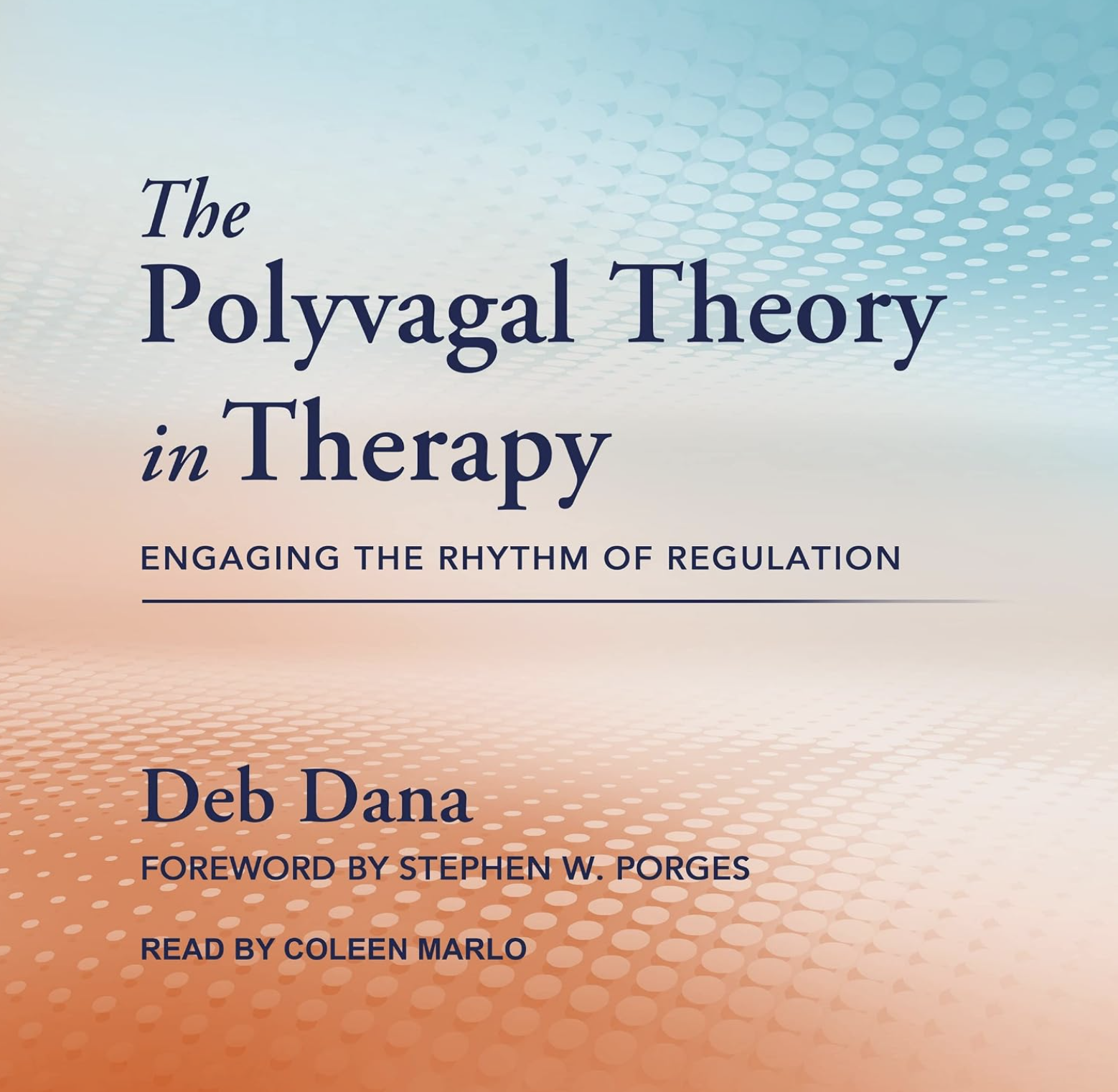
Polyvagal Theory in Therapy
A practical, accessible guide to working with the nervous system. Explains polyvagal theory and how it applies to trauma recovery and daily regulation.
by Deb Dana
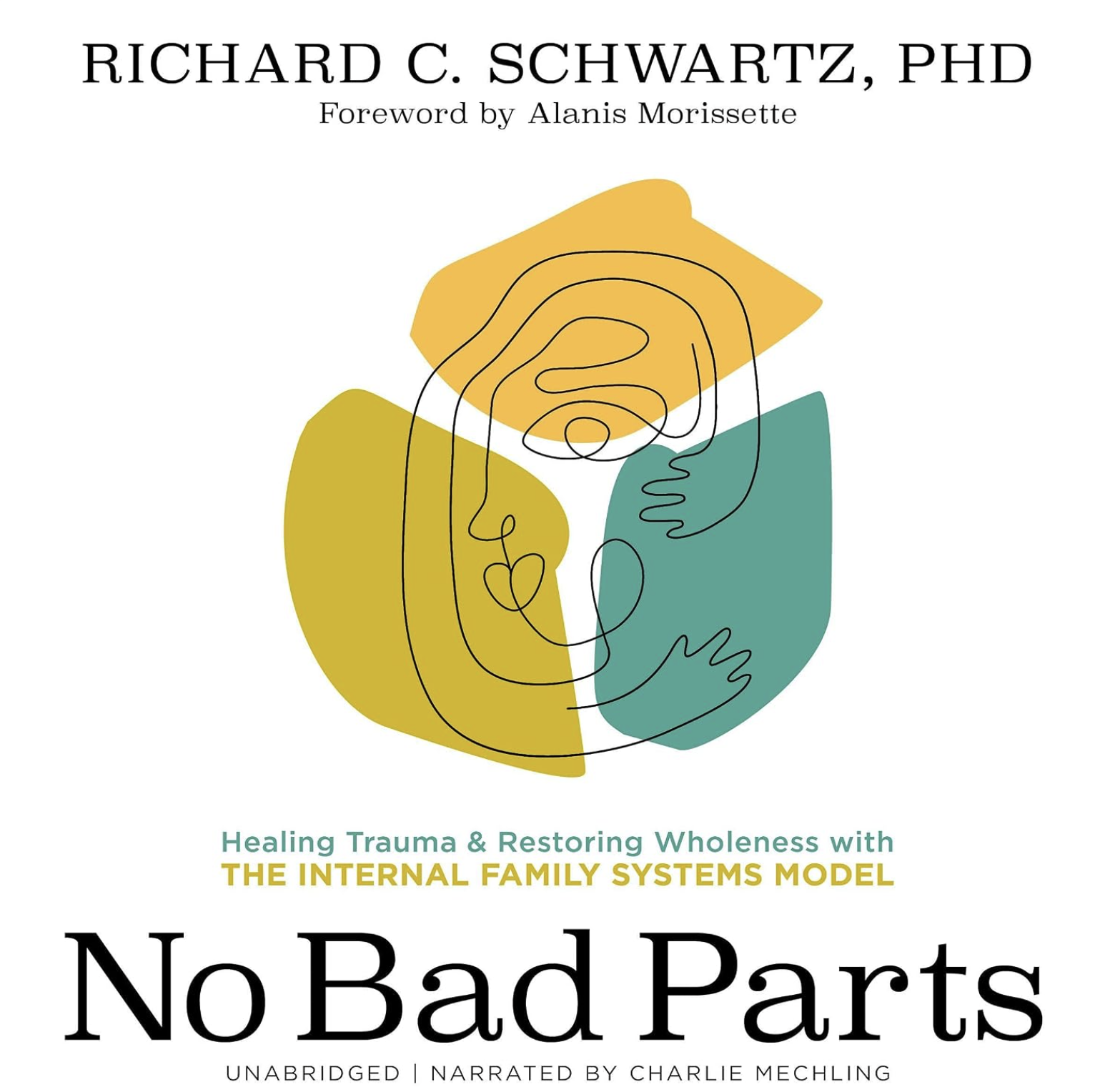
No Bad Parts
An introduction to "parts work" and self-leadership. A powerful complement to EMDR that helps clients understand and work with the different parts of themselves.
by Richard C. Schwartz
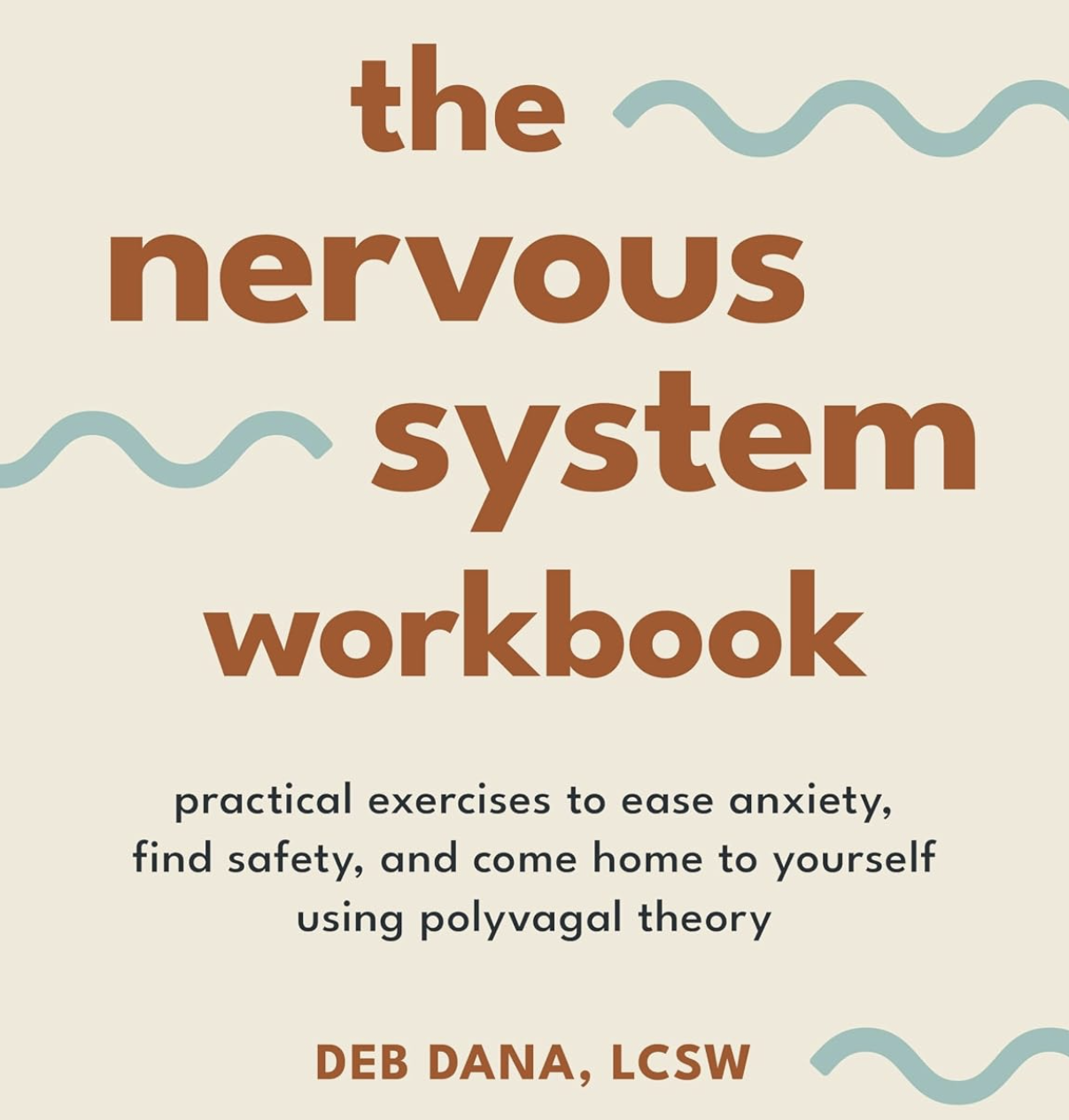
The Nervous System Workbook
A guide of 50+ short practices to understand your own nervous system, recognize distress, and find personal pathways to calm and regulation.
by Deb Dana
Practices & Self-Compassion Tools
Resources for between sessions — grounding, parts work, and mind-body connection
Free Resources
IFS Parts Map Worksheet
A gentle way to start mapping the parts of yourself between sessions. Useful alongside EMDR or any parts-based therapeutic work.
Download at ifs-institute.com →
IFS Institute
Guided Meditations
Self-Compassion Guided Meditations
Free audio guided meditations grounded in self-compassion research. Particularly helpful for those working with shame, self-criticism, or inner harsh voices.
Visit self-compassion.org →
Dr. Kristin Neff
Centre for Mind-Body Medicine
Mind-Body Practices
Stress-reduction and mind-body connection practices. A valuable complement to somatic and trauma-informed therapeutic work
Visit cmbm.org →
CMBM
Crisis & Immediate Support Resources
IMMEDIATE SUPPORT

If you are in crisis or need immediate support, please reach out to one of the services listed here. Our contact form is not monitored in real time and is not suitable for crisis situations. If you are looking for ongoing support please send us a message.
In an emergency: If you or someone you know is in immediate danger, please call 911 or go to your nearest emergency room. The resources above are for mental health support, not emergency medical response.
Talk Suicide Canada
Call or text 988 — 24/7, free & confidential
Available across Canada. Free, confidential support by phone or text, any time of day or night.
Kids Help Phone
Text CONNECT to 686868
Professional counselling, information, and referrals for young people across Canada. Available by text, chat, and phone.
Hope for Wellness Help Line
1-855-242-3310 — Available in Multiple Languages
Immediate mental health counselling for Indigenous peoples across Canada. Culturally sensitive and available 24/7.
Questions We Hear Most Often
LEARN MORE
-
EMDR (Eye Movement Desensitization and Reprocessing) is an evidence-based approach that helps people process distressing memories stored in the nervous system. Through guided bilateral stimulation, the brain's natural healing process resumes, allowing old experiences to lose their emotional charge and integrate into a healthier story of self.
-
No. EMDR is designed to help you revisit memories safely, rather than relive them. Our goal is to help your recollection feel more like being an observer of the event rather than a participant in it. You remain fully in control, and you set the pace throughout.
-
EMDR is effective for post-traumatic stress and complex trauma, anxiety and panic, grief and loss, phobias, perfectionism and shame, attachment wounds, relationship difficulties, and performance blocks or self-limiting beliefs.
-
It varies. Some people experience relief within a few sessions; others, especially with complex or developmental trauma, require longer-term work. Your therapist will collaborate with you on pacing, preparation, and resourcing before deeper processing begins.
-
Your therapist helps you identify a target memory, connect to its related thoughts, feelings, and body sensations, then uses bilateral stimulation to gently process it. EMDR is not like hypnotherapy, you remain fully conscious and in control throughout.
-
Yes. EMDR is recommended by the WHO and APA for trauma treatment. At Elephant Eye, we integrate grounding, mindfulness, and parts work throughout to ensure sessions remain contained and supportive at every stage.
-
While talk therapy focuses on insight and meaning, EMDR works directly with the body's memory systems. You don't need to recount every detail, we allow the brain and body to resolve what words alone cannot. The body has its own way of remembering, and we honour that.
-
If you've tried traditional therapy but feel stuck, or if painful experiences still carry an emotional charge, EMDR might help. The best way to find out is a free 15-minute consultation, we'll help you assess whether this is the right approach and which therapist would be the best fit.
-
Many people feel calm and lighter afterward, though it's common to notice dreams or emotions continuing to shift for a few days. Gentle self-care, rest, hydration, reflection, supports the brain's integration process.
Therapy is a brave step and it's completely normal to have questions before you begin. If you don't find what you're looking for here, reach out, we're happy to help.
You don't need to have everything figured out before reaching out. A conversation is enough.
Whether you want to talk through whether EMDR is right for you, ask about a specific therapist, or just get a sense of what beginning therapy here would actually feel like, we're happy to help.
Still Have Questions?
Book a Free Consultation. 15 Minutes, No Commitment.
Need help figuring out which therapist is right for you? Send us a message, we can help.